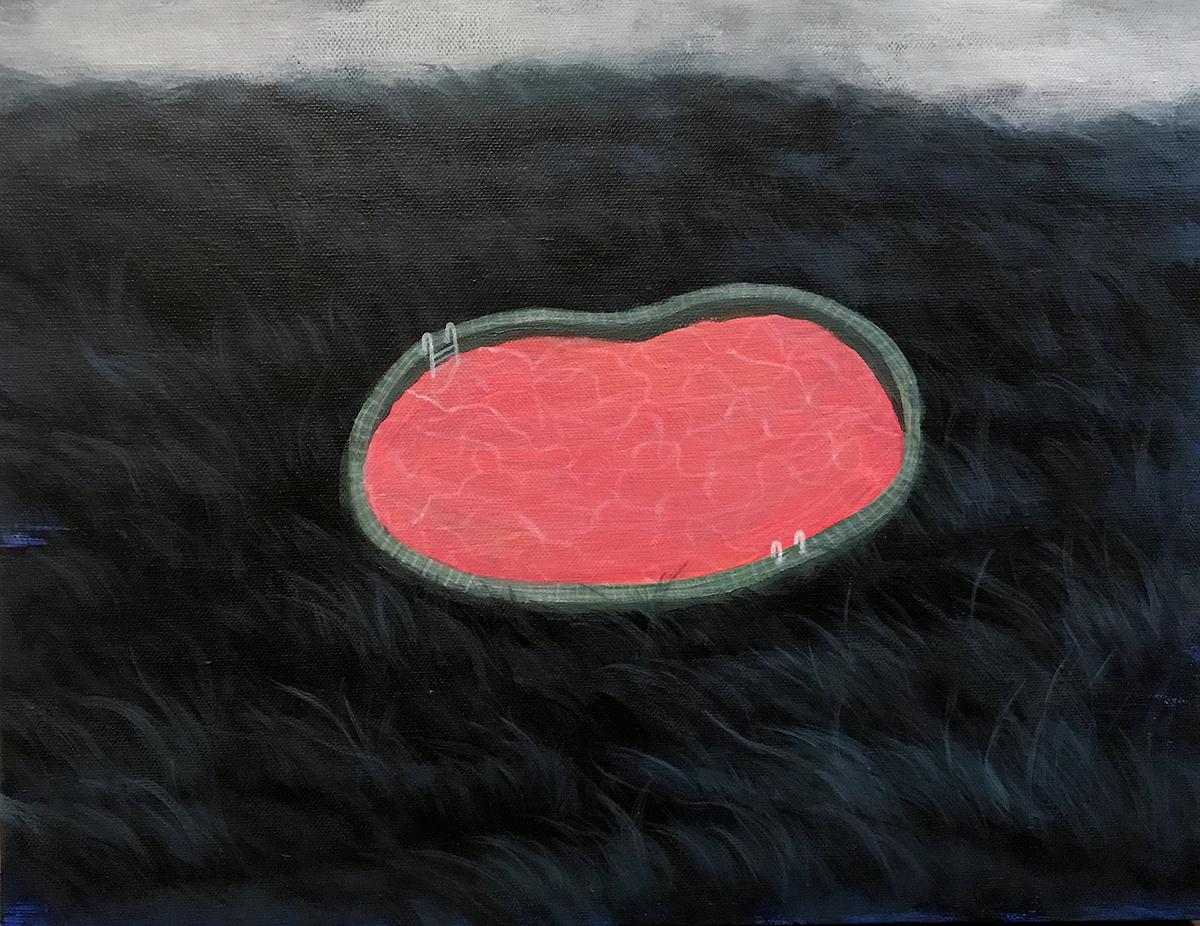
This discussion explores the series of emotional liberation. In the process of researching this series of creations, the author repeatedly observes and analyzes various human emotions. The author observes that today's society must undergo tangible daily because of rapid technological advancement and constant information update. As well as invisible pressure, tight life brings more and more civilized diseases, so humans began to pay attention to the pressure and seek ways to liberate their bodies, and to seek happiness after liberation. The author observes that human beings seek the liberation and happiness of the way and the fun of the process, which in turn derives the motives for creating emotional liberation series, and records the history of human beings looking for happiness.
In the first chapter, this discussion will explain the research methods and purposes, as well as the scope and limitations of the research. The author will use emotional emancipation as the main axis of research. In the second chapter, from the early stage of creation, the creative thinking is influenced by the works of the Cubist painter Fernand Léger (1881-1955), and the works in the middle and later period are influence by the artists from Surrealism and the late Gothic art. The painting viewpoint of the Surrealism artisan is based on research as a theoretical basis, and the author analyzes the creative thinking and works of two Western artists from the history of art. In the process of creation, through reading and studying Yi-Fu Tuan's "Escapism", it is used in the creation of works.
The third chapter will explain the creative concept analysis of this series of works. Through daily observation and data integration, modern people's pressure in life and pressure release, and into the author's work creation. How do I create a series of "Emotional Emancipation" series that illustrate the happiness of human emotions after liberation from reading and painting experiments. The fourth chapter analyzes and interprets the works of emotional liberation series, and elaborates the spatial consciousness from the story depiction of the works and the formation of symbols. In the fifth chapter, the author will draw conclusions on the whole series of works and plan and describe the future prospects of the research results.