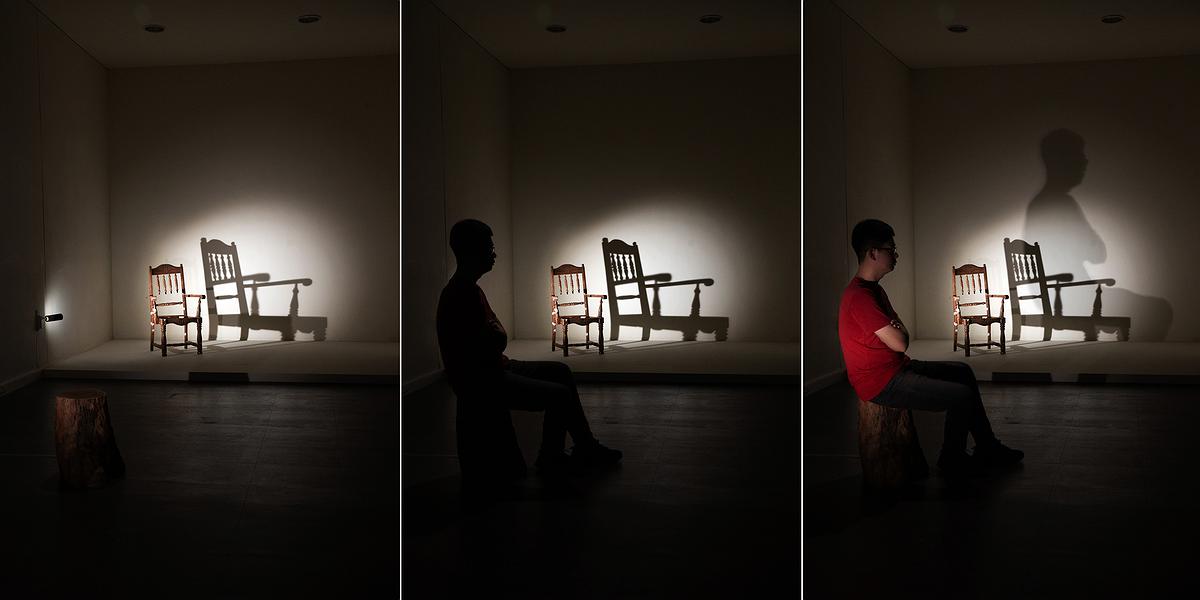
This thesis explores how objects serve as mediums for the transmission of memory and emotion, and how techniques of repair and reconstruction can awaken and extend both individual and collective memory. The research is motivated by the author's reflections on relocation, the loss of loved ones, and emotional absence, recognizing that objects are not merely functional but also crucial vessels of past experiences. Entitled "Evocation of Forms and Functionality: Awakening of Everyday Trajectories", this thesis focuses on the deterioration of wooden objects due to time and use, investigating how repair and viewer intervention can imbue them with new meaning.
The research is divided into three main aspects. First, "Memory Triggers" explores how memories of animalistic traits help people establish emotional connections in unfamiliar and alienated environments. Drawing on childhood and family emotional experiences, it explores objects as bridges connecting people, time, and memory. Second, "Echoes of Container" analyzes how surface traces on objects bear witness to history and extend memory. It demonstrates how the creative practices of repair, splicing, and installation can reconstruct broken objects, awakening past emotions and stories. Finally, "Incomplete Reconstruction" discusses how repair is not only the reconstruction of the physical form but also a process of transcending time and space to achieve memory regeneration, transforming objects into emotional containers with multiple symbolic meanings.
Combining qualitative research and creative practice, this thesis constructs a multi-layered analytical framework that moves from practice to theory, and from individual experience to collective memory. Through personal recollection, on-site observation, and literature review, it proposes the possibility of repair as a means of extending, regenerating, and awakening forgotten memories in the traces of everyday life.