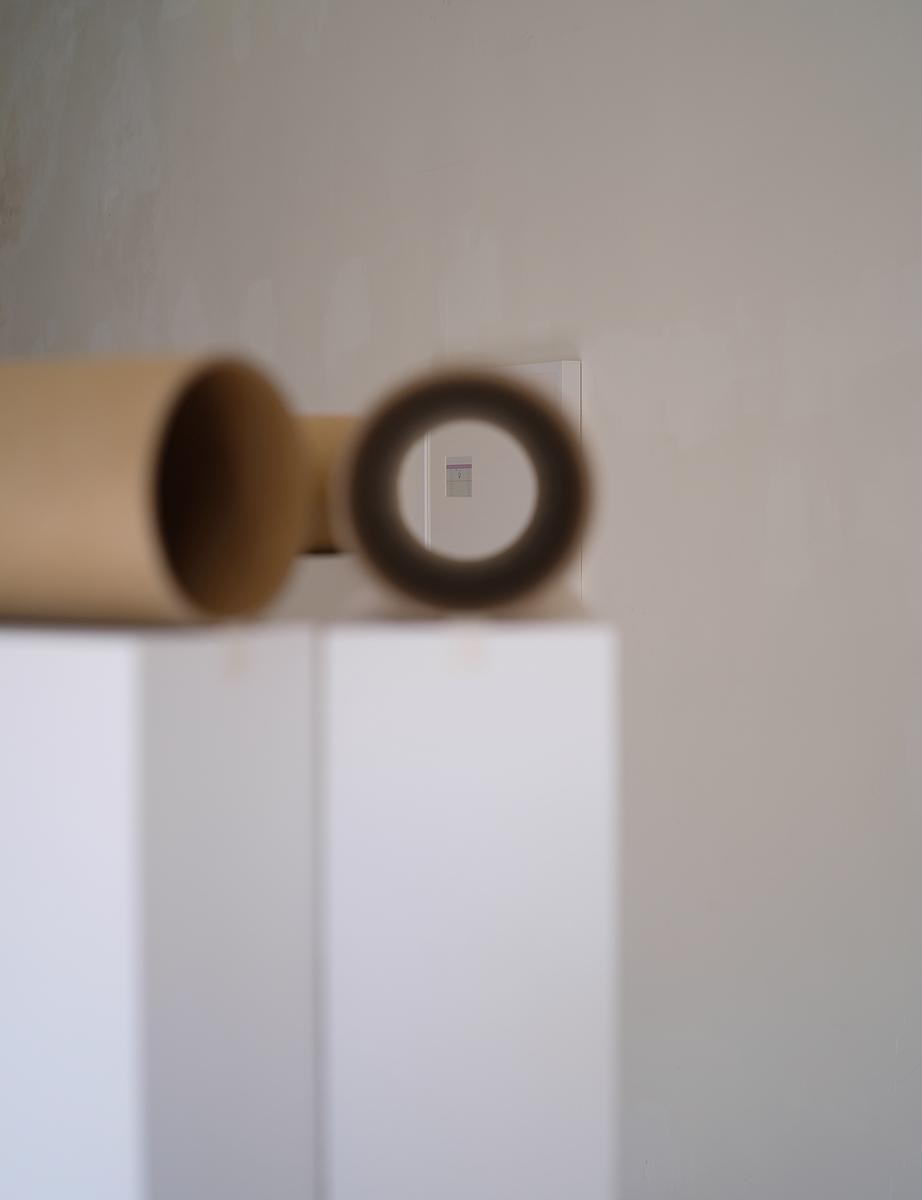
“Temporary scenes” originate from a position of making art works, that is,
expecting these materials (or intangible things) will build a scene for the audience to
walk in, simultaneously, these kinds of work difunctional with the end of the
exhibition. Because of this position, the author’s works usually have the
characteristics of forming a specific scene in a short period of time. In general, the
position of Temporary scenes affects the choice of materials and art forms.
The author tries to describe his understanding of some state of “absence” in art.
that kinds of absence reflect the audience's perception process of space and art forms.
Also, the “absence” we percept in art shows how the work affects the viewer based on
the position of making art. After analyzing the premise and process of the position, the
author tries to summarize the different concepts in his works, as well as deferent
attempts to build scenes.
The author’s work has never had a clear axial theme. The consideration about
different things over time may put each work in a different quadrant. Compared with
constantly creating works in one direction, the author prefers to define them as some
kind of continuation left after thinking different ideas. This thesis analyze works that
was created during the period of master degree. Summarized the concepts that have
been touched.