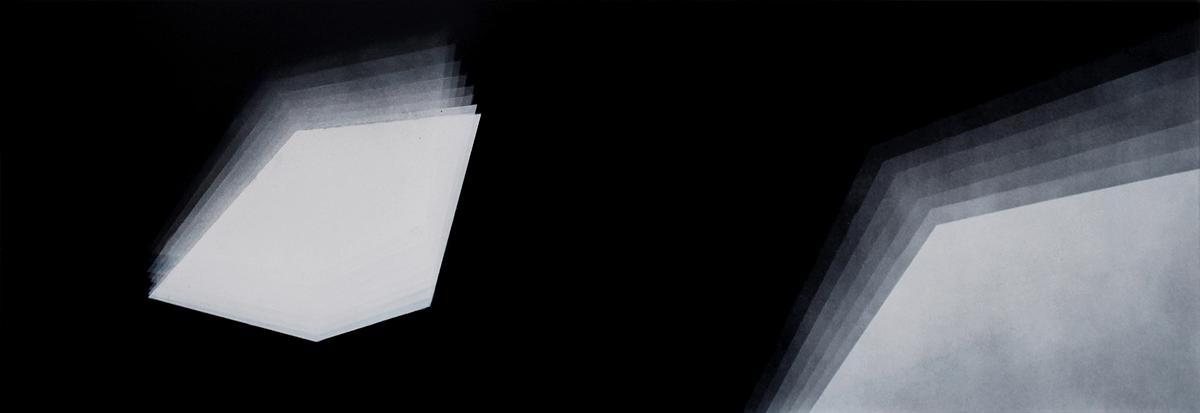
In life, we often use vision as a preliminary measurement tool. We use unscientific ways, following past life experiences as a basis, to measure any visual and invisible things, such as time or space. However, the results of each individual’s measurement and sensation vary from person to person and thus make people agree on specific size units, time scales, and so on. The author considers that time and space will get contradictory answers in our consciousness under certain exclusive visual experiences. For example, when people feel dizzy or light-headed, they will get two results from the experience of space and time, which are the external and internal results, respectively. The external result is the measurement unit set by science. For example, accurate data is showing how much time passed when one is suffering from dizziness. The internal result, like an ever-changing answer, is a combination of all sensory experience, body perception, living habits, and memory. For instance, people may psychologically have different perceptions of time when they feel dizzy.
No matter how it feels in time and space, the accuracy of personal description and recollection of experiencing dizziness is difficult to be measured. Results of both external and internal experience extend or shorten the time perception and also alter the regular space into visually illusory space. The author believes that, through the ambiguous answers from the visual experience in the past, the error is the most intriguing part of the creative work. It takes two ways to sort out the complicated psychological status when the author takes the visual measurement as a proposition. The first one is to visually measure the current experience as an external result, and the other is an internal outcome, which transforms sensory experience into memory. The author demonstrates them on canvases by awakening her consciousness. The abstract space created by the personal consciousness makes the concrete object change under the influence of sensory perception: it twists, turns, and even deforms. Such a space brings out its particular temporality and changes the relationship between the image and space. It also arouses the author’s curiosity about spatial uncertainty and time perception in the dark space or the fog.