In the present day, we can see many Kohitsu. Kohitsu refers to Japanese style and Kana calligraphy. That ranges from the early 10th century to Kamakura period, the early 14th century. The concept of how people created Kohitsu and the form of the calligraphy words can still be understood by us even today. At the end of the Meiji period, some people advocated that they needed to revert to the ancient style of the Heian period; therefore, Heian period’s Kohitsu was revived. Now, Kohitsu from the Heian period is still considered to be the top ranking among other Japanese style calligraphy works. This is still a very commonly held belief in both the academic and art world of Japanese calligraphy.
The writer wants to create Kana calligraphy artwork that is based on the result of the study, “The Court Calligraphy and its Aesthetic Consciousness of the Heian Period Japan”. It will study and analyze the features of Kohitsu from the middle and the late Heian period and the aesthetic presentation about the color of the paper that it used.
This study will first discuss the different categories of the Kana calligraphy based on the same writing skill, the same style of the artwork and the features of the Kohitsu. Though the artists’ from the works actually existed, there are still many uncertainties. Because of this, through comparing the writing skill and style of these calligraphy works, one can deepen our understanding of Kohitsu. We can know how these works changes through time, their skillful writing ability, and their aesthetic concept.
This paper also focuses on the appreciation of color that was used in Kohitsu. The content of Kohitsu are usually literary works. We can see colors are usually named after flowers or trees that existed in nature. Nobles wore the clothes that matched the season’s flowers or plants. Even the color of the ryousi (the decorated paper especially for painting or calligraphy works) can reflect the content of the artwork and the season that the works are referring to. It all shows the harmony aesthetic ideas about Kohitsu from Heian period.
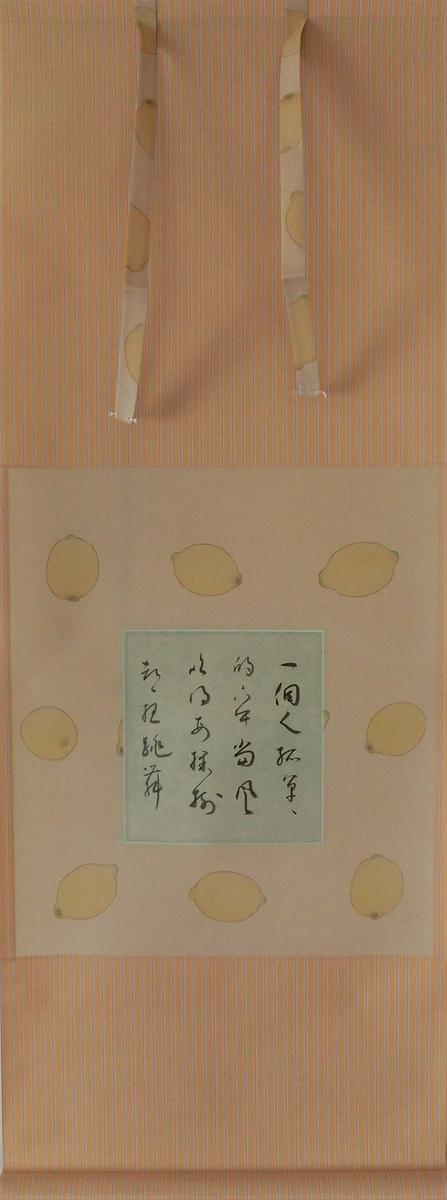
In conclusion, based on the research of Kohitsu, the writer created some works that used either Kana calligraphy, Kenji calligraphy or fine painting, by using the words’ composition, skill and visual aesthetic of Kohitsu. The color that was used for the artwork also matches the content that it is referring to. Those all show the feeling and the understanding of the creator towards the nature and oneself.