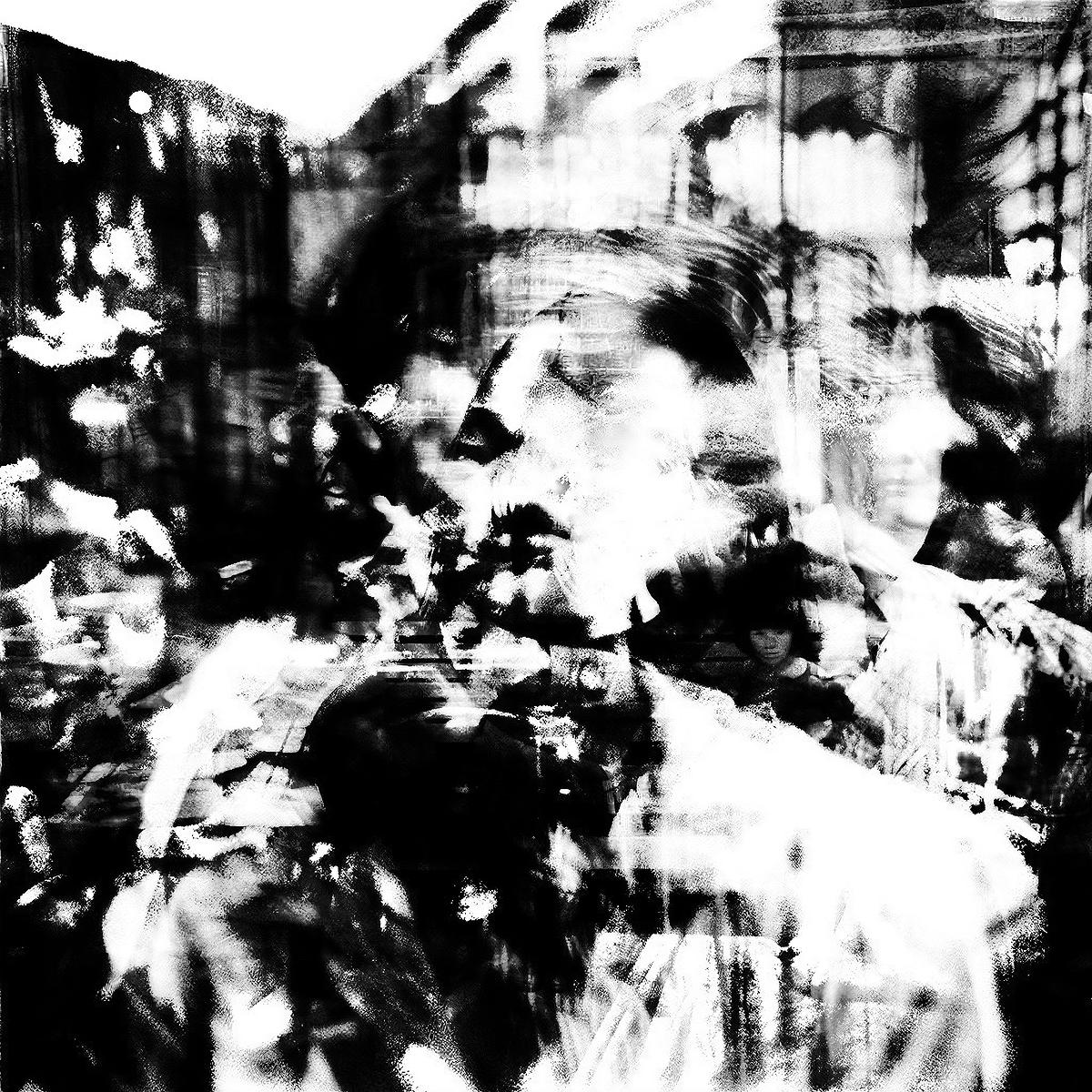
This thesis investigates the dialectical entanglement between photographic images, human memory, and practices of viewing. Through a reflexive analysis of the author’s creative trajectory, it reframes photography not as a static archive of the past but as a site where remembering, forgetting, and reconstruction continuously interact. Anchored by the metaphor of the camera obscura, the study traces its passage from optical instrument to epistemological paradigm, while mobilising artificial‑intelligence image generation to examine how contemporary visual culture is mediated by "perceptual machines."
The discussion unfolds along three analytical axes—“The Shadow of the Image,” “The Human Camera Obscura,” and “Shared Viewing.” Together they map (1) the historical and contemporary transformations of photographic discourse, (2) the reciprocity between embodied perception and technological extension, and (3) the algorithmic modulation of visual experience. Methodologically, the project combines AI‑based image synthesis with iterative digital superimposition to visualise the progressive blurring and recomposition of memory. On this basis it proposes the notion of “creative forgetting,” positioning oblivion as a generative force within visual and cognitive practice.
Ten series of visual experiments materialise these arguments, revealing how individual and collective agencies, remembrance and oblivion, intersect within the image economy of the present.