Since 2018, I have been committed to the service of the rural tribes. I have been involved in the charity work of making dream graduation book for the children in rural tribes, and have photographed for nearly 50 elementary school graduation books. Most of the shooting locations are children's playgrounds in the mountains, along with other memorable places. To get there, I have needed to climbed high mountains and waded through rivers, with heavy equipment. It required heavy physical work, yet swamped in magic and mystery. As with most pleasures, the experience in serving and accompanying the children is as enjoyable as the anticipation. In 2019, when I entered the Department of Fine Arts at National Taiwan University of Art, I decided to take this most unforgettable experience as the theme of my creative research.
As a result of Colonialism, the 19th and 20th century artworks shed much light on primitive tribal objects, which inspired Primitivism, of an exotic origin. The early 20th century saw the rise in many art movements such as Cubism, Purism, Dadaism, and assemblage art. During the Japanese colonial period, many of Taiwan's artists applied indigenous culture, life, and totems to their creation. The rise in contemporary indigenous artists is also worth considering, due to the new aesthetic forms they developed, and their unique, profound cultural background.
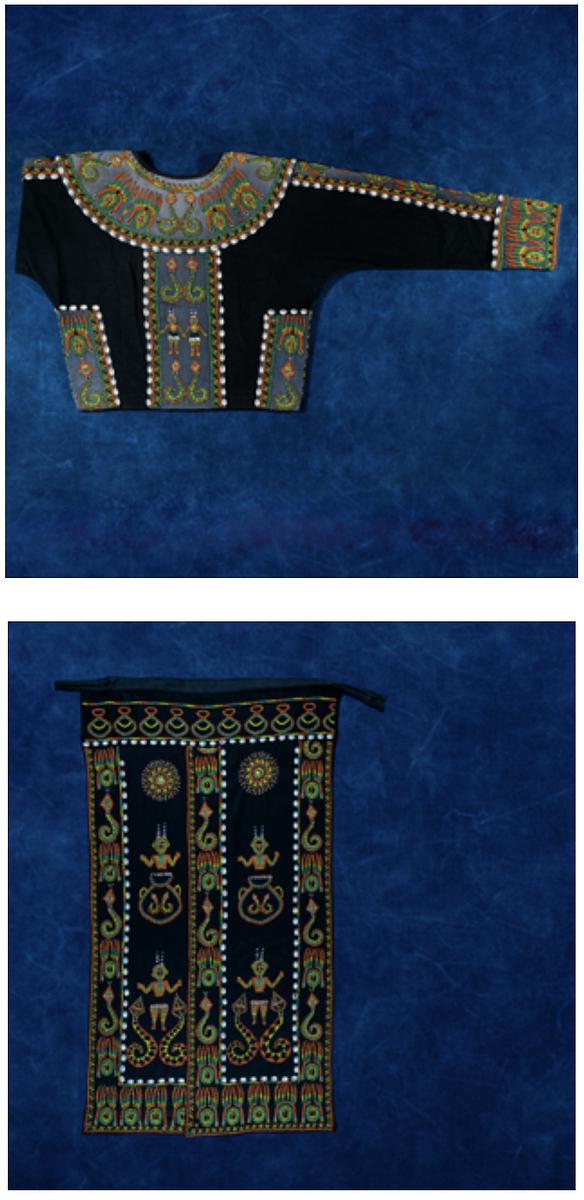
In this study, in addition to exploring the cultural characteristics of Taiwan indigenes, I focused on such elements as indigenous totems, clothing fabric weaving patterns, appliqué embroidery patterns, and Bunun carved panel calendar designs as applied to the creation of graphic paintings, photographic collages, and mixed media. I also combined the objects from the tribe, including leaves, glazed beads, clothing, fabrics, and other readymade objects, for my “Tribal Memory" painting series. Indigenous culture is often neglected, distorted, as a cultural minority. I hope to learn more about the indigenous culture and raise the awareness of ethnic concern through art creation. I look forward to every opportunity to help the students in rural tribes. In this study, I also include my 4-year reflections on creation at National Taiwan University of Art, and my expectations for the future.