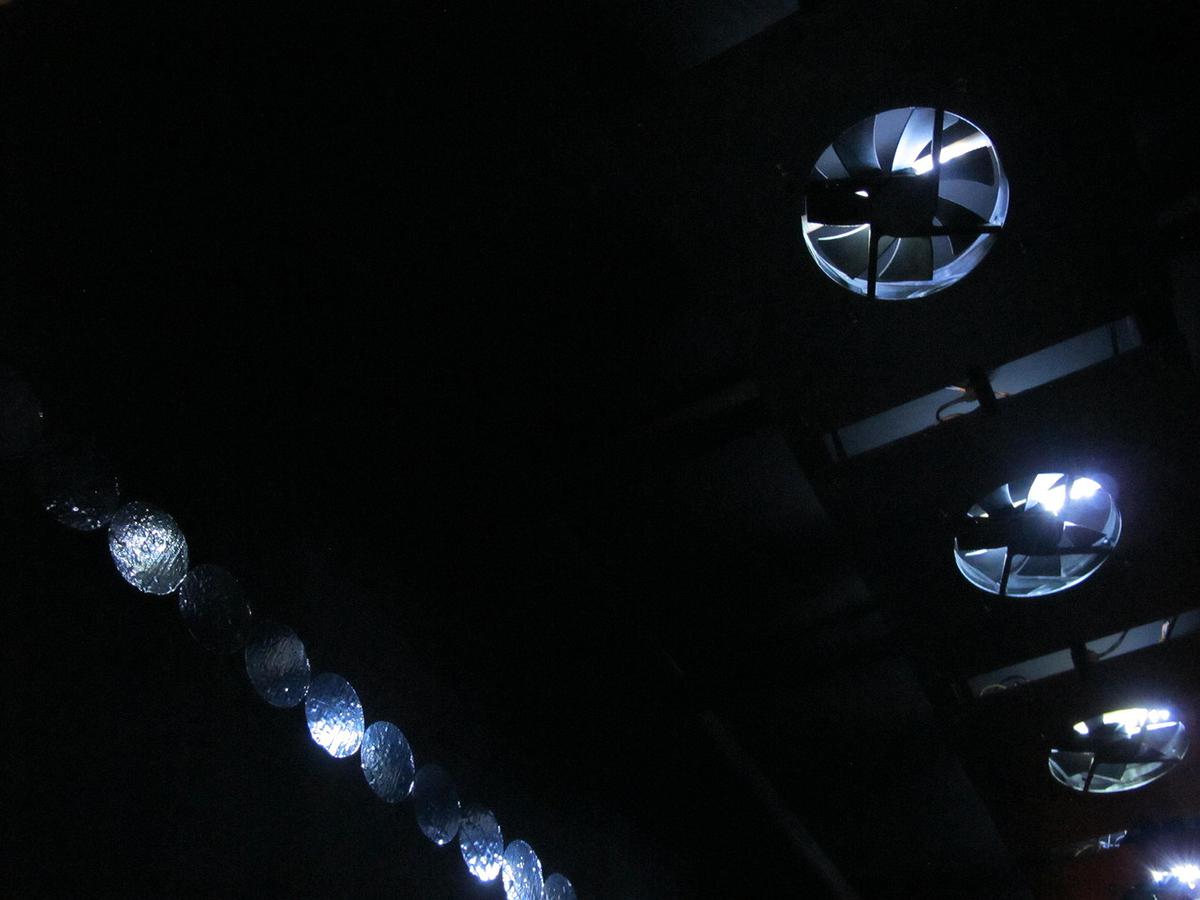
This paper uses my project, “Fortune Telling Show–The Machine” (FTS), to discuss the theories of interactions (between works/artists and viewers/participants) in the production and the exhibition of the contemporary art. Although theories of interactive technology art, relational aesthetic, and participatory art have evolved and manifested their importance sequently in history, they have aspects of ambiguity. The key concerns of this paper are: Can the “interactions” and “encounters” be represented or rebuilt by purposefully-made aesthetic models? Are the attempts of repairing social bonds and arranging consensual dialogues—the ways of resistance suggested by relational aesthetic theorists against commercialization, automation, bureaucratization, and social alienation in this capitalist world—merely creating another fantasyland both for artists and viewers? Can “jouissance”, the basic human desire suggested by Claire Bishop to be the mean of challenging conservative generalised sets of (ethical) precepts, be regarded as the good will of the artist subject? Or is it a necessary evil? I develop FTS in order to push the theoretical boundaries forward, and coin the term, “relational theatre,” as the responses to these questions.
FTS is an art experiment embedded in the society. It mimics the grandness and the sanctity of religion, reproduces languages of rulers that are used to manipulate subordinate’s feelings, and performs emotional improvisation of fortune-telling talkshow to have conversations with participants. By doing so, the work explores the possible emergence of the critical subjectivity when manipulated emotions dazzlingly overwhelm ration. The idea of relational theatre argues that “theatre (model) is more than theatre (model).” When the relationship (emerged upon the encounter between works/artists and viewers) initiates through theatre, the social models presented in artists’ works will be shattered, and the conflictive essence in the relationship of authenticity will appear.