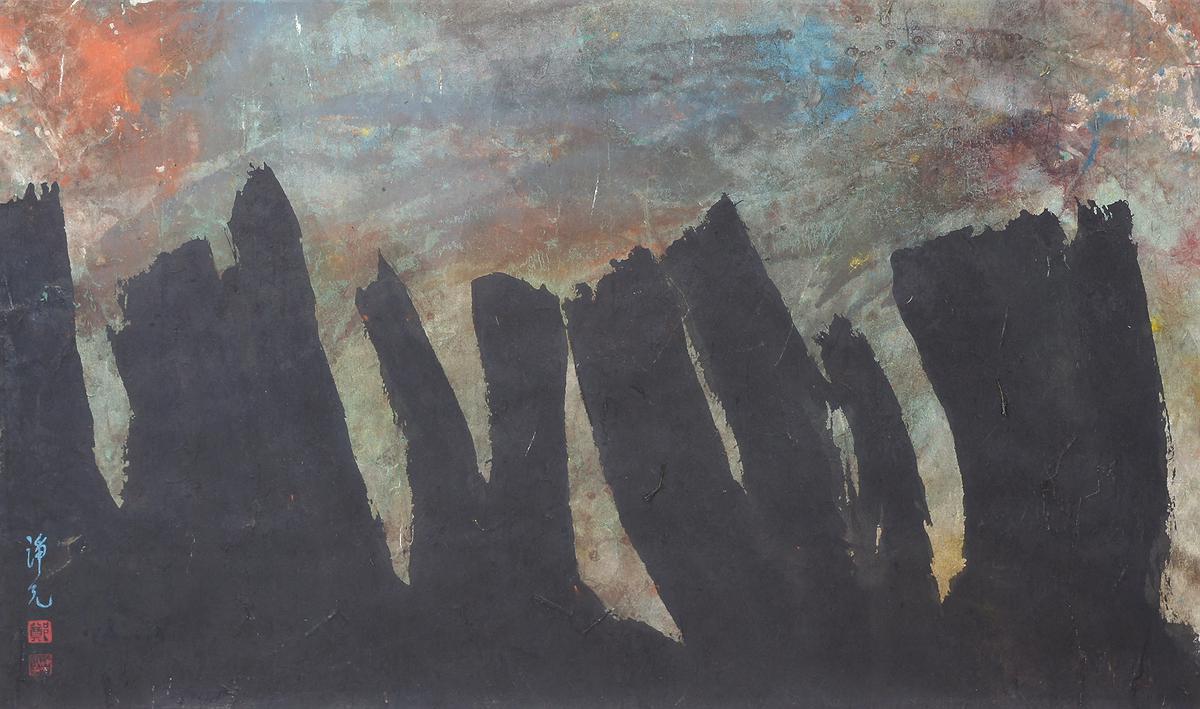
The National Palace Museum's 1977 “Style Transformed: A Special Exhibition of Works by Five Late Ming Artists”, which featured the work of artist Wu Bin and his contemporaries, formally advanced the term deformationism. According to available information, this is the first time in the history of Chinese art that this term was used. The term suggests the continual search for change in form in painting, a change that can be likened to individuals in society. Actions and thoughts have enormous influence that echo each other and mutually enrich content. In all of art history, painting style has evolved in this manner, becoming increasingly rich as each painter has drawn inspiration from and influenced others.
When people today look back on this group of deformationist experts who were active 500 years ago, their use of the term deformationism to interpret these paintings reflects a modern perspective. This not only inspires reflections on those paintings, but also offers the possibility of new approaches to art making. Therefore, extending this late Ming Dynasty context to include the theories and concepts put forth by western modern artists, such as the idea of the spiritual in art, is a very important basis for this study, for my own artwork, and even when thinking about the future of the arts.